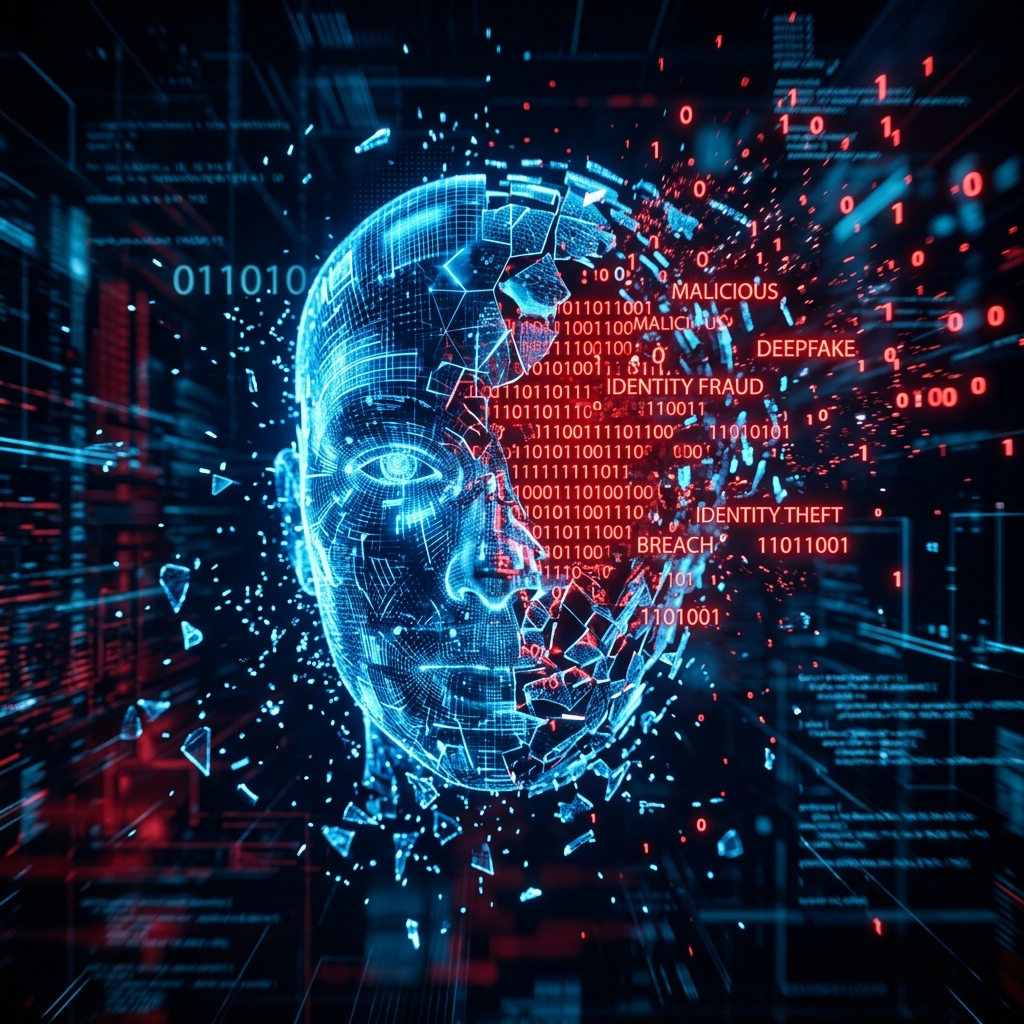
Artificial Intelligence has brought us autonomous digital workers, medical breakthroughs, and personalized learning. But there is a dark side. In 2026, the barrier to entry for generating hyper-realistic synthetic media—deepfakes—has plummeted to zero. The result is an unprecedented wave of sophisticated cybercrime.
This article dives into the mechanics of AI-powered fraud, specifically focusing on the viral "Digital Arrest" scams sweeping across India and the globe, and outlines actionable steps to protect your identity and your assets.
1. The Anatomy of a Deepfake Scam
A few years ago, phishing meant a poorly spelled email from a fake prince. Today, phishing is a video call from your "boss" or a frantic voice message from your "daughter."
Voice Cloning in Seconds: Criminals now need only a 3-second audio clip—easily harvested from social media or an ignored phone call—to clone a voice perfectly. They then use text-to-speech AI to make that voice say whatever they want, complete with emotional inflection.
The Panic Button: The core of these scams is urgency. By creating an artificial crisis, the scammer bypasses the victim's critical thinking. When you hear the panicked voice of a loved one, logic takes a backseat to adrenaline.
2. The Rise of the "Digital Arrest"
One of the most terrifying trends in 2026 is the Digital Arrest scam. This highly coordinated attack targets professionals and elderly citizens alike.
How it Works: The victim receives a call from someone posing as a customs official or police officer. They are told a package containing illegal contraband was intercepted under their name, or their bank account is linked to money laundering. The call is then "escalated" to a video call.
The Virtual Interrogation: On the video call, the victim sees a police station background. The "officer" is often using a real-time deepfake filter to appear official. They declare a "digital arrest," forbidding the victim from disconnecting or speaking to anyone, and demand the immediate transfer of funds to a "secure RBI account" for verification.
3. The Enterprise Threat: Deepfake Phishing
It's not just individuals. Businesses are losing millions to deepfake attacks targeting their finance departments.
The Fake Executive: In several high-profile cases this year, employees have transferred millions of dollars after attending video conferences where the "CFO" and other executives instructed them to do so. The entire meeting was populated by AI-generated deepfakes.
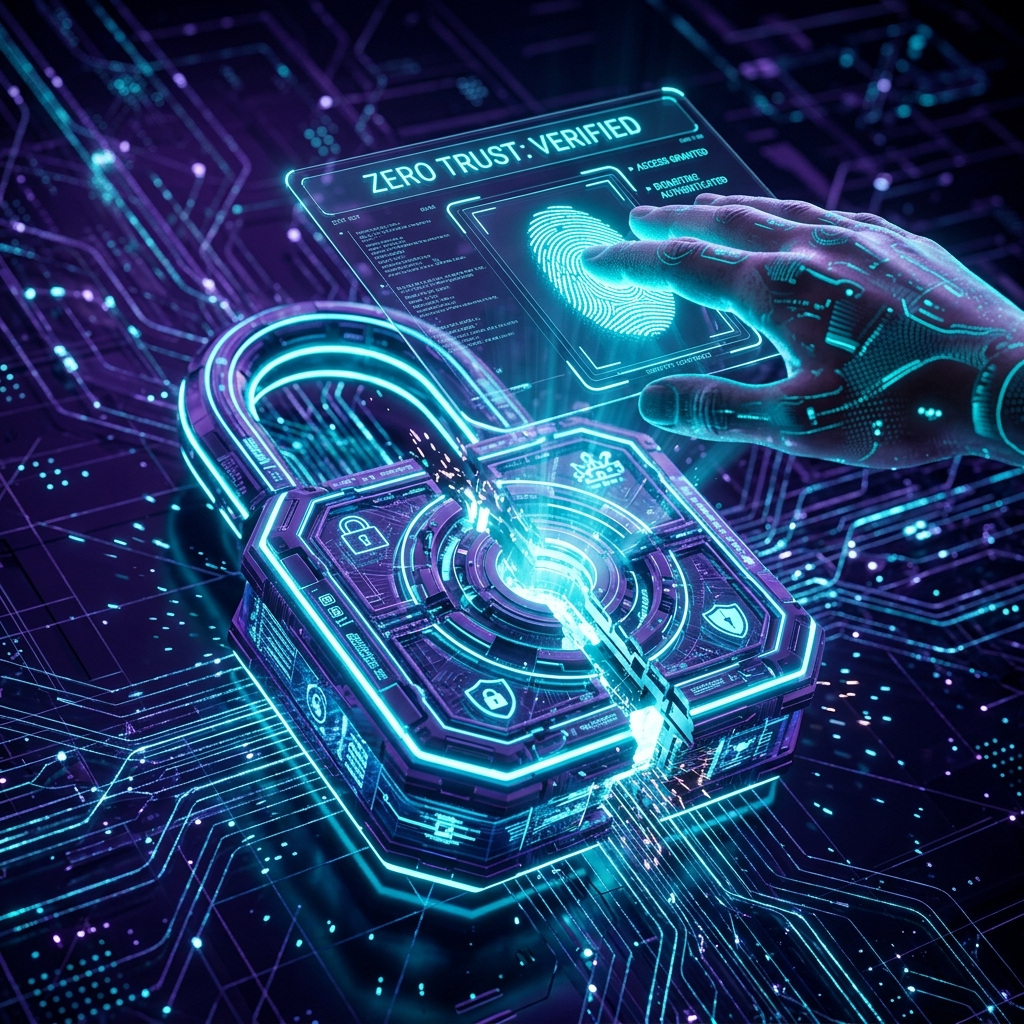
Zero Trust is Mandatory: This is why the shift to Zero Trust Security Architectures is no longer optional. Identity cannot be verified by voice or appearance alone; it must be cryptographically verified.
4. How to Spot a Deepfake in Real-Time
While the technology is getting better, real-time generation still has flaws if you know where to look.
- The Head Turn Test: Ask the person on the video call to turn their head 90 degrees left or right. Many deepfake filters glitch or blur when processing side profiles.
- Audio Artifacts: Listen for robotic clipping, unnatural breathing pauses, or a lack of background noise.
- The "Hand" Rule: Ask the person to wave their hand in front of their face. Hands moving over facial features frequently cause deepfake algorithms to break temporarily.
5. Protecting Your Digital Identity
Defense requires a combination of technology and new social protocols.
Family Safe Words: Every family should have a verbal passcode. If someone calls claiming to be in an emergency and needing money, ask for the safe word. If they don't know it, hang up.
Verify Out-of-Band: If a police officer or bank official calls you, hang up. Look up the official number of the police station or bank branch independently, and call them back.
Digital Hygiene: Limit the amount of high-quality audio and video of yourself on public social media. The less training data you provide the internet, the harder you are to clone.
Conclusion
The arms race between AI fraud and AI defense is the defining cybersecurity battle of 2026. While technology companies develop better detection tools, the first line of defense is a skeptical human mind. In the age of deepfakes, seeing is no longer believing. Verify everything.