Data is the new oil, but Intelligence is the new nuclear power. In 2026, the era of relying on a handful of Silicon Valley giants for AI is ending. Countries are realizing that to secure their future, they must own their intelligence. This is the rise of Sovereign AI.
This article explores the geopolitical shift towards national AI infrastructures, India's "Intelligent India" roadmap, and the battle for Compute Sovereignty.
1. Why Nations Want Their Own Brains
For the last decade, the digital world was borderless. But AI has changed the equation. Governments now view AI not just as software, but as critical national infrastructure, akin to energy grids or defense systems.
The Risk of Dependency: If a nation's banking, healthcare, and defense systems rely on an AI model hosted in a foreign country, that nation is vulnerable. Sovereign AI eliminates this "Kill Switch" risk.
2. India's "Intelligent India" Vision
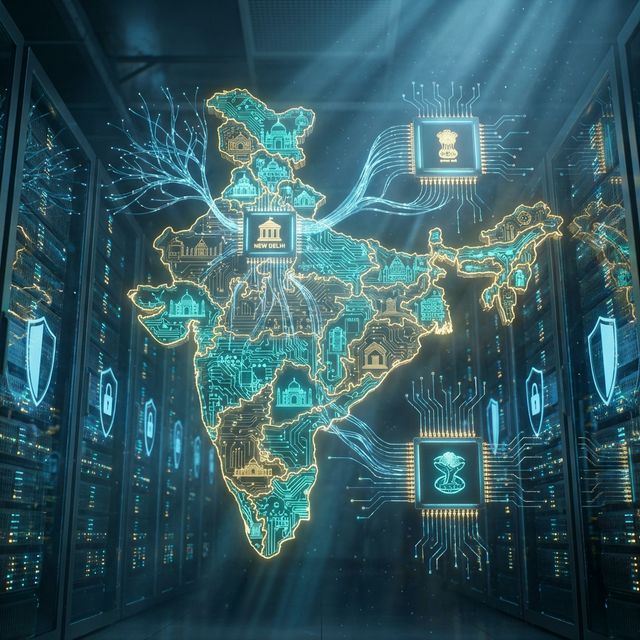
India is moving fast. Transitioning from "Digital India" to "Intelligent India," the government is funding massive compute clusters and indigenous models.
BharatGen: India's flagship initiative, BharatGen, is the world's first government-funded multimodal AI focused on Indian languages. Unlike Western models which struggle with dialects, BharatGen is natively trained on India's linguistic diversity.
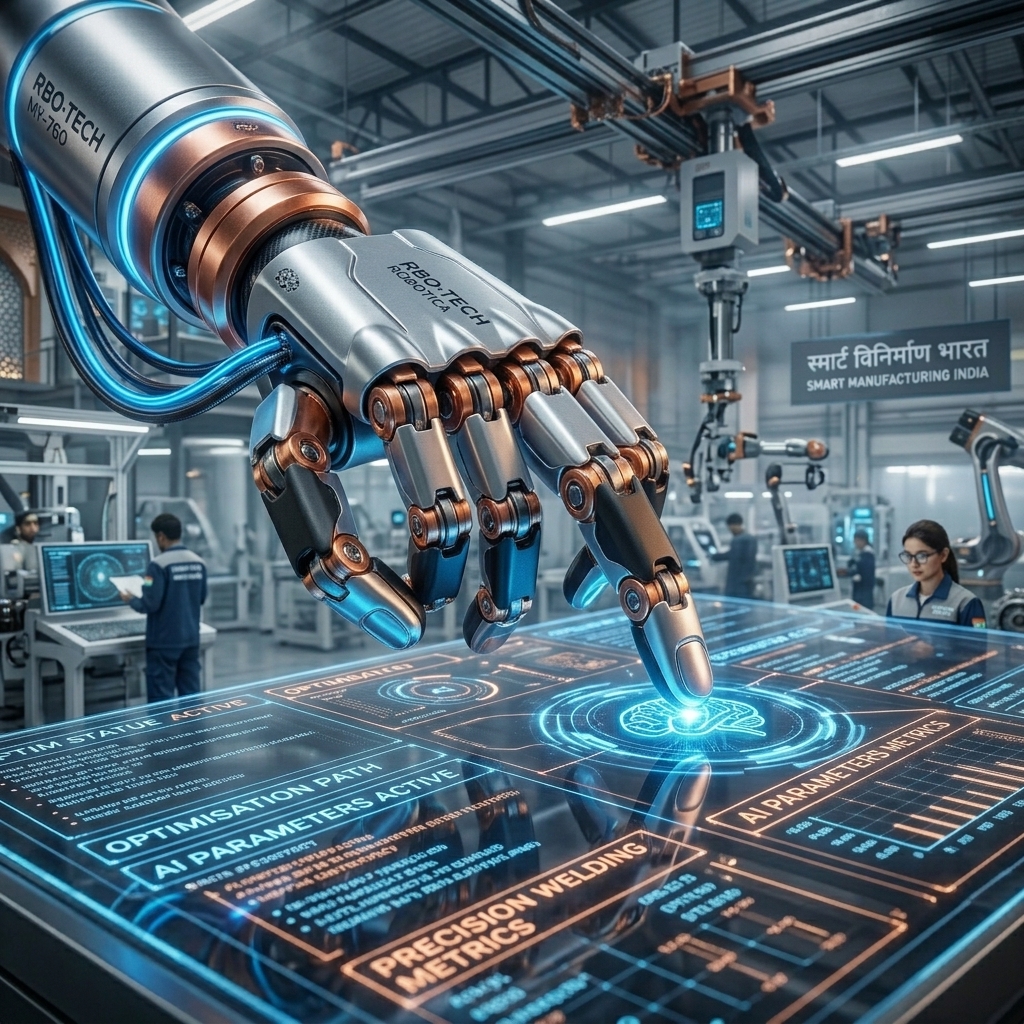
Semiconductor Independence: You can't have sovereign AI without sovereign chips. With new fabs in Assam and Gujarat producing millions of chips daily, India is reducing its reliance on imported silicon.
3. The Three Pillars of Sovereignty
True AI sovereignty requires three things:
- Compute: Physical data centers within national borders (GPU Clusters).
- Data: Training datasets that reflect the nation's culture, history, and laws.
- Talent: A workforce capable of building models from scratch, not just using APIs.
4. The End of the "One Model Fits All" Era
GPT-4 and Gemini are incredible, but they represent a specific worldview. A model trained on Western internet data may not understand the nuances of Indian law, Japanese etiquette, or Arabic poetry.
Cultural Alignment: Sovereign AI ensures that the values embedded in the model align with the values of the nation using it. It prevents "Cultural Alignment Drift."
5. The Economic Impact
Investments in sovereign AI are creating a deep-tech boom. In India, the demand for AI researchers, chip designers, and data linguists has skyrocketed. It is not just about security; it is about economic resilience.
Conclusion
The race for Sovereign AI is re-drawing the map of the internet. We are moving from a global village to a world of "Digital City-States," each powered by its own unique intelligence. In 2026, the question for nations is no longer "Which AI do you use?" but "whose AI is it?"